
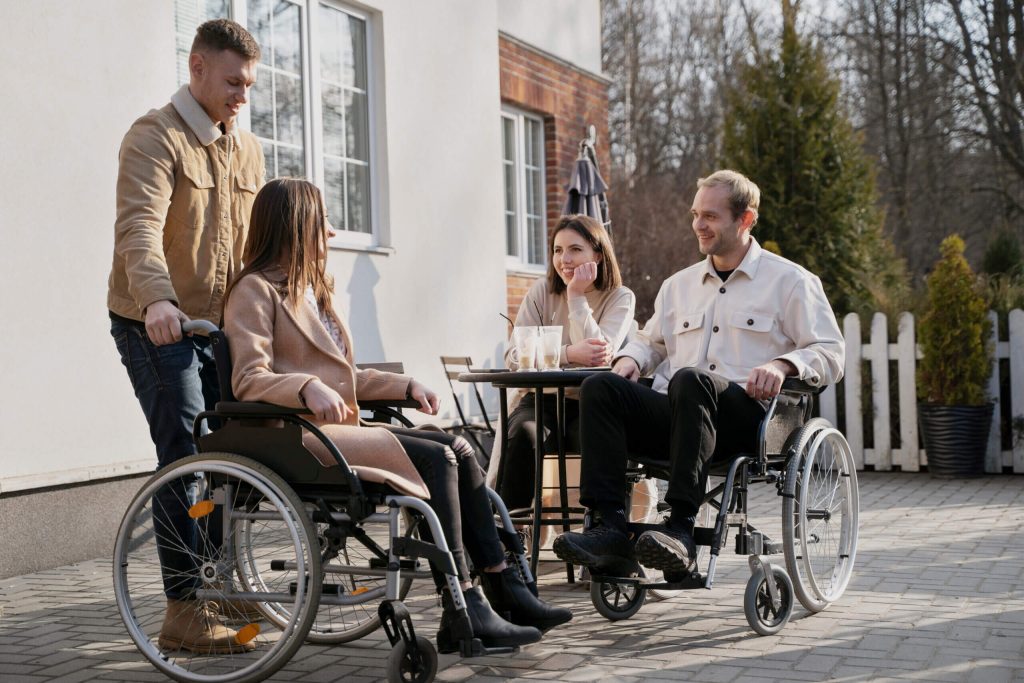
In the realm of disability services, addressing the diverse and complex needs of individuals often requires more than just specialized knowledge. It necessitates a collaborative, interdisciplinary approach that integrates the expertise of various professionals to provide comprehensive, holistic support. This article explores the significance of interdisciplinary approaches in disability services, highlights successful models, and offers strategies for fostering effective collaboration among different disciplines.
The Need for Interdisciplinary Approaches
Disability services encompass a wide range of needs, from medical and therapeutic support to educational and social services. Each of these areas requires specialized knowledge and skills. However, addressing the multifaceted challenges faced by individuals with disabilities often demands a combination of these expertise areas. Interdisciplinary approaches aim to bridge these gaps, ensuring that support is comprehensive and cohesive.
1 Holistic Support
Individuals with disabilities often face challenges that span multiple domains, including physical health, mental well-being, social interactions, and daily living skills. An interdisciplinary approach ensures that all these aspects are addressed simultaneously. For example, a team consisting of a physician, occupational therapist, psychologist, and social worker can collaboratively develop a support plan that considers the medical, emotional, and practical needs of the individual.
2 Enhanced Problem-Solving
Complex cases often benefit from diverse perspectives and problem-solving strategies. By bringing together professionals from different disciplines, teams can approach challenges from various angles and develop more innovative and effective solutions. This collaborative problem-solving can lead to more creative and comprehensive interventions, addressing needs that might be overlooked by a single-discipline approach.
3 Coordinated Care
Coordinated care is essential for ensuring that all aspects of an individual’s support are aligned and working towards common goals. An interdisciplinary team can facilitate better communication and coordination between different service providers, reducing the risk of fragmented care and ensuring that interventions are integrated and complementary.
4 Increased Efficiency
Interdisciplinary approaches can enhance efficiency by streamlining processes and reducing duplication of efforts. When professionals work together, they can share information, resources, and insights, leading to more efficient service delivery and better use of available resources.
Successful Models of Interdisciplinary Approaches
Several models illustrate the effectiveness of interdisciplinary approaches in disability services:
1 Integrated Care Teams
Integrated care teams involve professionals from various disciplines working together to provide comprehensive support. For example, in a pediatric disability clinic, a team might include a pediatrician, speech therapist, physical therapist, and social worker. This model allows for a coordinated approach to managing the child’s needs, ensuring that medical, developmental, and social aspects are addressed in a unified manner.
2 Collaborative Care Models
Collaborative care models are designed to facilitate communication and coordination among different service providers. For instance, in mental health services for individuals with disabilities, a collaborative care model might involve regular case meetings where psychiatrists, therapists, case managers, and other professionals discuss and plan the individual’s care. This model helps ensure that all aspects of the individual’s treatment are aligned and responsive to their needs.
3 Transdisciplinary Teams
Transdisciplinary teams extend beyond traditional professional boundaries, with team members sharing roles and responsibilities to provide holistic support. In this model, professionals from different disciplines work together to achieve shared goals and may even cross-train in each other’s areas of expertise. For example, in a transdisciplinary early intervention program, educators, therapists, and family members collaborate closely to support a child’s development, sharing knowledge and skills to address various needs.
Strategies for Fostering Effective Interdisciplinary Collaboration
To maximize the benefits of interdisciplinary approaches, several strategies can be employed:
1 Promote Open Communication
Effective communication is the cornerstone of successful interdisciplinary collaboration. Establish regular meetings, use shared communication platforms, and encourage open dialogue to ensure that all team members are informed and engaged. Clear communication helps prevent misunderstandings and ensures that everyone is aligned with the individual’s goals and needs.
2 Define Roles and Responsibilities
Clearly defining roles and responsibilities helps avoid duplication of efforts and ensures that each team member understands their contributions to the collaborative process. Establishing a shared understanding of each professional’s expertise and responsibilities promotes effective teamwork and enhances overall efficiency.
3 Foster Mutual Respect and Understanding
Building mutual respect and understanding among team members is crucial for effective collaboration. Encourage team members to learn about each other’s disciplines and perspectives, and value the unique contributions that each professional brings to the table. A respectful and collaborative environment enhances team cohesion and effectiveness.
4 Use Collaborative Tools and Technologies
Utilize collaborative tools and technologies to facilitate coordination and information sharing. Shared electronic health records, project management software, and communication platforms can enhance teamwork and streamline processes. Ensure that these tools are accessible and user-friendly for all team members.
5 Engage in Joint Training and Professional Development
Joint training and professional development opportunities can help build team cohesion and improve interdisciplinary skills. Workshops, seminars, and cross-training sessions provide opportunities for team members to enhance their knowledge and understanding of each other’s disciplines, fostering better collaboration and integration of services.
6 Involve Individuals and Families in the Process
Engage individuals with disabilities and their families in the collaborative process to ensure that their needs and preferences are central to the support provided. Involving them in goal-setting, decision-making, and feedback processes ensures that the services are aligned with their expectations and enhances their overall satisfaction with the care received.
Challenges and Considerations
While interdisciplinary approaches offer numerous benefits, there are challenges to address:
1 Different Professional Cultures
Different disciplines may have distinct professional cultures and practices. Bridging these differences requires effort and flexibility, as well as a commitment to understanding and integrating diverse approaches.
2 Resource Constraints
Interdisciplinary collaboration may require additional resources, such as time for meetings and coordination, as well as access to collaborative tools. Balancing these resource needs with available funding and support can be challenging.
3 Coordination and Integration
Ensuring that all team members are effectively coordinated and that their contributions are integrated can be complex. Developing clear processes and structures for collaboration can help address these challenges and enhance the effectiveness of the interdisciplinary approach.
Conclusion
Interdisciplinary approaches play a critical role in providing comprehensive and effective disability services. By fostering collaboration among professionals from various disciplines, these approaches enhance holistic support, improve problem-solving, and promote coordinated care. Through open communication, defined roles, mutual respect, and the use of collaborative tools, teams can work together to deliver integrated and high-quality services. Embracing interdisciplinary collaboration ensures that individuals with disabilities receive the comprehensive and personalized support they need to achieve their goals and lead fulfilling lives.

